Video is one of the most efficient ways to gather information. Video clips of short duration often give more information than a text page. Visual content is used to scroll through feeds of social media or view tutorials, find demonstrations of products, or to learn new techniques. It has always been about making. Professional video once demanded tools, editing skills along with patience, time and effort. That gap is now closing through AI technology for video.
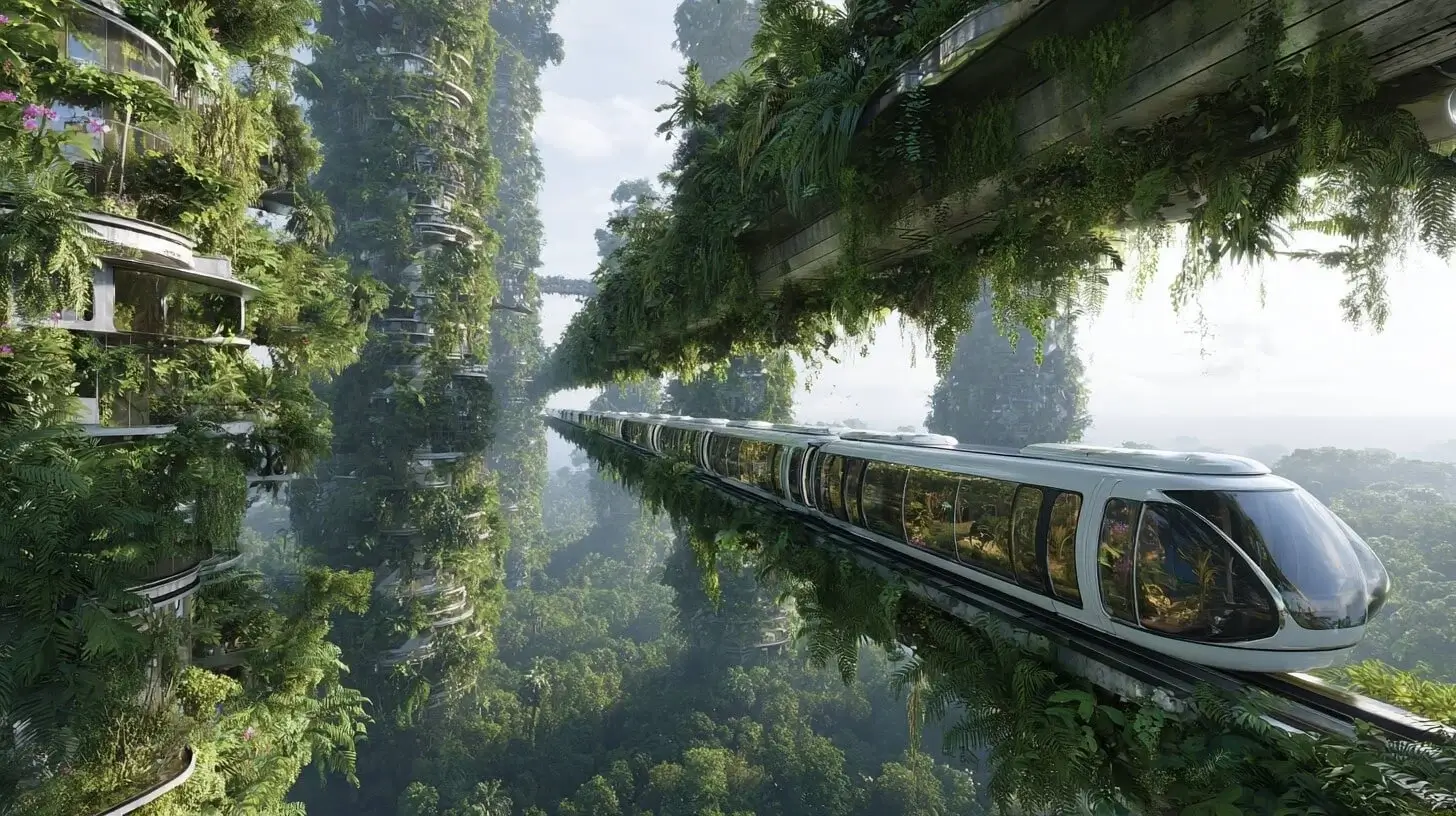
Image credit: vivideo.ai
Vivideo.ai allows anyone to make professional videos without technical skills. Instead of worrying about timelines, transitions or a complicated program users concentrate on what they want to convey. The system handles the rest.
Create Video in a Different Way
The process of making video is a difficult process. Planning, filming, editing, voice recording, exporting. Each step requires equipment, staff and money. An AI video generator streamlines all of this process into a single flow. You describe your idea. The system builds a complete video around it.
This alters who is able to create content. Small business owners can create videos for marketing. Teachers create lessons. Coaches can share training materials. Social creators keep their consistency, without burning out. The editing process is more like writing.
Making thoughts visual
The feature of text to video is among today’s most useful. You paste a script. The AI will pick visuals that fit with the message. In the background, music is automatically played. Voice narration is added with a neutral tone. The result could have needed a whole production team in the past.
It takes away all doubt. People no longer have to wait for the perfect environment. They are able to test ideas quickly. Based on feedback, they improve their content. They are more prolific in publishing because the barrier to entry is lower.
Motion is added to static images
Another powerful tool is image to video. Images by themselves are often flat. AI creates flow, motion and visual timing. A few images turn into a story. A simple product photo becomes an unintentional promo. A set of slides could serve as a visual instruction.
This works well to tell stories such as product launches, online presentations. No animation knowledge is required. The system understands how to create motion that feels natural.
Editing Without Frustration
Traditional editing tools can be overwhelming for newbies. Layers, timelines, formats confuse most people. AI platforms reduce this pressure. Users can easily modify the scenes with a few buttons. They can alter the pace. They switch between visuals. They rewrite the narration.
Subtitles automatically display in multiple languages. That helps reach wider audiences. It also increases accessibility for viewers who would prefer captions.
Voices That Make Real Sound
The AI voice technology has become such that it sounds human. You decide on to speak in a tone, language or style. You select the tone that best suits your message. No microphones are required. No studio setup. No Retakes.
Some platforms even include digital presenters. They talk to the screen. They are ideal for describing business, training, and educating the company. It’s almost like an intimate message, without the need for real filming.
Quality Without Compromise
AI-generated videos support high resolution. Content can be viewed on YouTube, TikTok, Instagram, LinkedIn. The format is automatically adjusted. You create once. You are able to share anyplace.
It will save you time. It also keeps branding consistent across different platforms.
The reason AI video feels different
It’s not an technical change that will make the most significant difference. The change is emotional. They don’t worry about tools. They focus on the ideas. They try out their ideas with confidence. They are free to experiment without any pressure.
Vivideo.ai shift video creation from a stressful process to something natural. You press. You think. You publish. Technology fades into background.
AI video is not a substitute for creativity. It removes friction. It lets people share stories, impart lessons, and share their knowledge without being overwhelmed by the complexity. Future content is light faster, more efficient, and human.