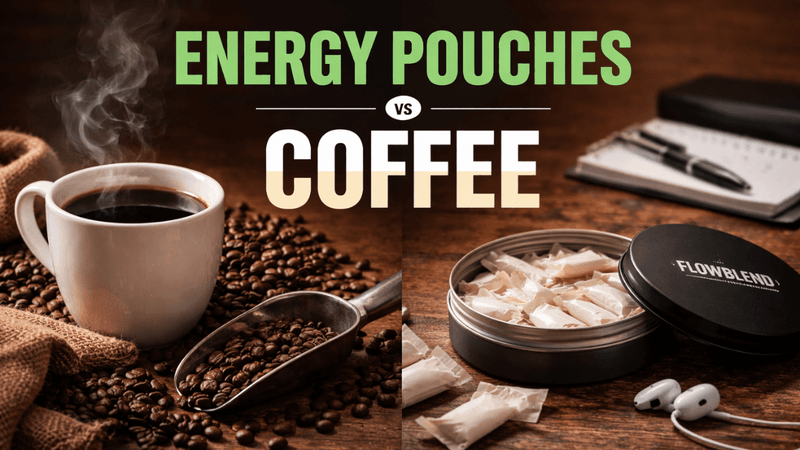
Coffee has always been the main fuel source for our modern lives. Coffee is the fuel for lengthy days, meetings deadlines and mornings. A lot of people question whether the daily cup of coffee they consume is actually helping them focus or is simply a short-term boost. This shift has sparked growing interest in energy pouches vs coffee, not as a battle of “good versus bad,” but as a deeper conversation about control, consistency, and cognitive performance.
Coffee: A Fast Energy With Familiar Limits
The coffee is able to do many things effectively. It is quick, feels warm and provides an unmistakable sense of activation. It is effective in completing tasks quickly or for getting up early in the morning. The caffeine boost can increase awareness and the habit will signal the brain to begin working.
When repeated usage is done the negative consequences become obvious. Over time, tolerance builds quietly. It is no longer necessary to drink the same cup of coffee which was once so potent. With this tolerance comes often anxiety and jitters. This is especially true when under high pressure. Timing is also crucial. Intoxication with caffeine can disrupt sleep and cause fatigue.
This is where many people begin exploring coffee alternatives for their focus, not because coffee is “bad,” but because their preferences have changed.
Energy Pouches are on the Rise
The pouches aren’t designed to replace coffee. They were developed to solve another issue, that is, the need to stay awake and clear without overburdening the nervous system. The key difference between energy pouches and coffee is in the method by which they are distributed.
Energy pouches typically contain less caffeine, which is released slowly. They strive to offer an energy curve that is more gradual rather than a rapid rise and crash. This strategy is more compatible with lengthy work hours, traveling days, and other mentally demanding tasks where attention is more important than intensity.
Individuals who are uncomfortable or exhausted by the fluctuation of caffeine’s levels can use energy pouches to consume caffeine with no crash. The goal is not to be wired, instead, to be steady.
Focus Vs. Stimulation
One of the most misunderstood characteristics of caffeine is the assumption that more stimulation means better productivity. In reality the two are not the same. Coffee is a great stimulant. To concentrate, you require stability.
Most users report that energy pouches can help people focus for longer time periods due to their ability to reduce the noise in their brains, which is usually associated with high caffeine doses. Concentration is not affected by anxiety. There is less chance of crash, which means you don’t have to “chase” energy throughout the day.
In the workplace of today, this distinction is more significant. Because tasks require deeper thinking and continuous problem solving, a smoother energy distribution becomes a plus.
Choose Intentionally
Coffee has its place. Coffee is a useful tool to use for social rituals, quick activation or when you’re the middle of. Energy pouches aren’t going to make your life easier.
It is only by making a conscious decision that you can reap the greatest advantages. Instead of defaulting to habit people are now beginning to match their energy source with their real requirements. Energy explosion versus steady focus. A brief burst of energy against the long-term view. Comfort versus control.
If you look at it this way in this manner, the debate between energy pouches and coffee isn’t a competition it’s a decision framework. Knowing how caffeine affects your body and mind can help you utilize it in a strategic manner rather instead of reacting.
A Better Way to Go
The debate around caffeine has changed over time as workdays are getting longer and mental demands rise. Many are realizing that productivity isn’t about pushing harder and harder, but rather about balancing. The difference lies in awareness. No matter whether you’re using coffee, energy packs or a combination of both It’s all about being in balance.
Modern coffee options offer a tempting option for those who prioritize consistency, smoother concentration, and less crashes. Energy is most efficient when it aids you in reaching your goals, rather than restricting them.